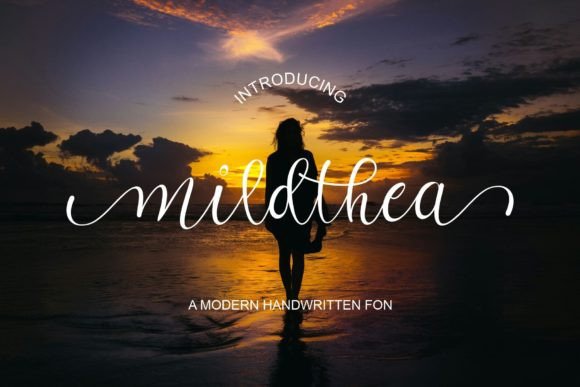
If you've ever stared at a blank page wondering where to start on a design project, Mildthea templates might be exactly what you need to break through that initial friction. These templates are built to save you time without forcing you into a box—they're flexible enough to adapt to your brand while structured enough to keep things looking polished from day one.
Mildthea templates work best when you understand what they actually are: pre-designed frameworks that handle the heavy lifting of layout, spacing, and visual hierarchy. Think of them as a smart starting point rather than a finished product. You're not locked into every design choice; instead, you're getting a proven structure that already handles the basics so you can focus on your unique content and messaging.
When to Reach for a Mildthea Template
Most people turn to Mildthea templates in specific situations. You might use one when you're launching a small business site and need something professional-looking without hiring a designer. They're also useful if you're managing multiple projects and need consistency across them. Marketing teams often use Mildthea templates to speed up campaign launches, and creators appreciate them for maintaining a cohesive visual identity across different materials.
The real win happens when you need to move fast without sacrificing quality. If you're working on a tight deadline or budget, a well-chosen template cuts your production time significantly.
Choosing the Right Template for Your Needs
Here's where most people stumble: they pick a template based on how it looks rather than whether it actually fits their purpose. Start by identifying what you're building—a portfolio, landing page, email campaign, or product showcase all need different structures.
- Check if the template's grid system and spacing work for your content volume
- Look at typography options and whether they match your brand voice
- Test how it responds on mobile devices
- Verify that customization options exist where you need them most
Don't get seduced by fancy animations or trendy colors if they don't serve your actual goals. A clean, readable template that lets your content shine usually outperforms something flashy that gets in the way.
Once you've selected a Mildthea template, spend time actually understanding its structure before customizing it. Change colors and copy, sure, but respect the underlying layout principles that make it work. Most templates include documentation or guides—actually read them. Small details like padding, line height, and color contrast exist for reasons beyond aesthetics.
The sweet spot with templates is treating them as a foundation, not a ceiling. Use them to establish consistency and speed, then add personality through your own content, imagery, and voice. When you approach Mildthea templates this way, you're not settling for generic—you're being strategic about where to invest your creative energy.